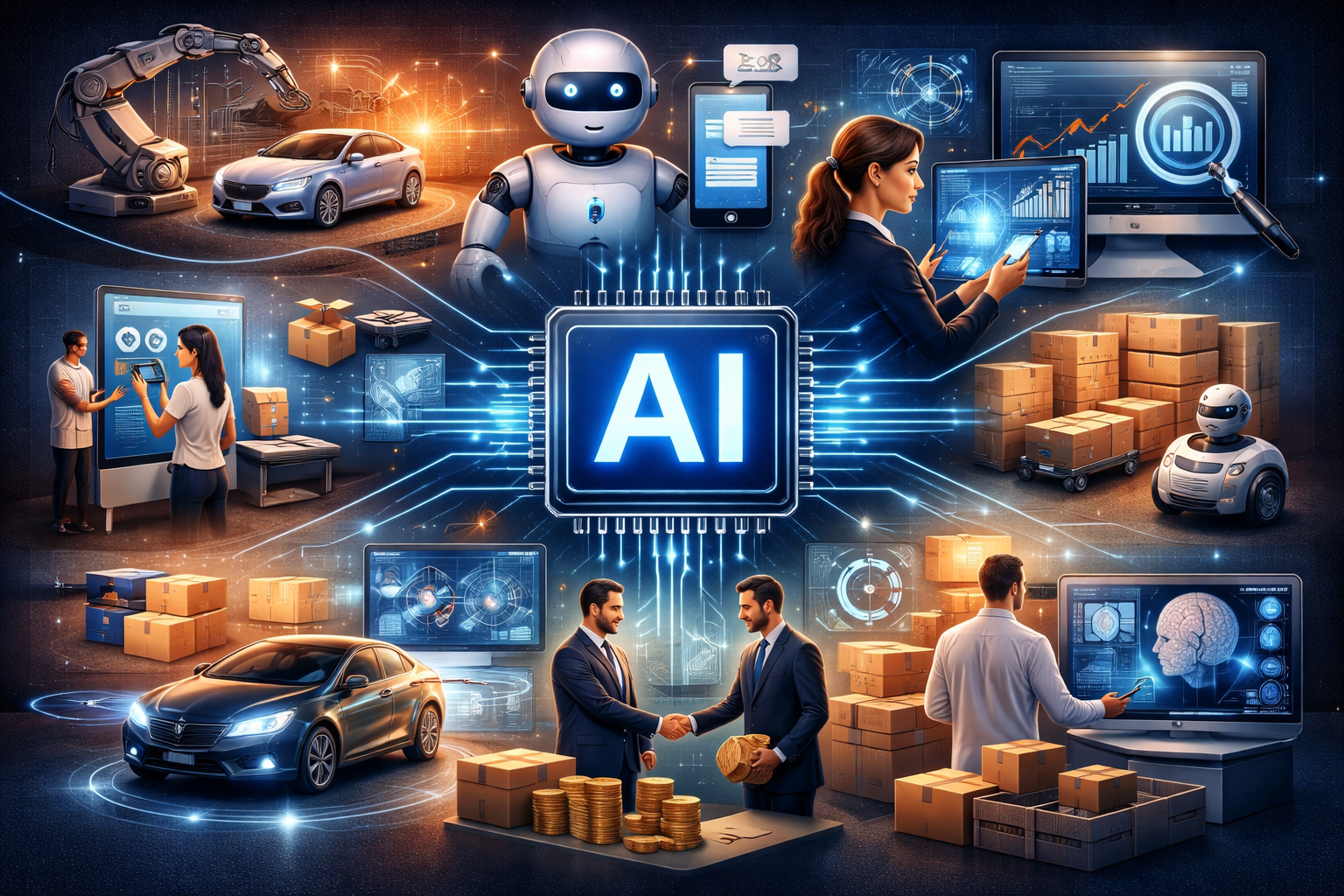
Artificial Intelligence (AI) is no longer just a futuristic concept—it has become a transformative force across industries. From automating mundane tasks to enhancing customer experiences, businesses are leveraging AI in innovative ways to stay competitive and drive growth. In this blog, we’ll explore the most powerful AI use cases across different sectors and explain how companies are benefiting from this technology.
1. Enhancing Customer Experience with AI
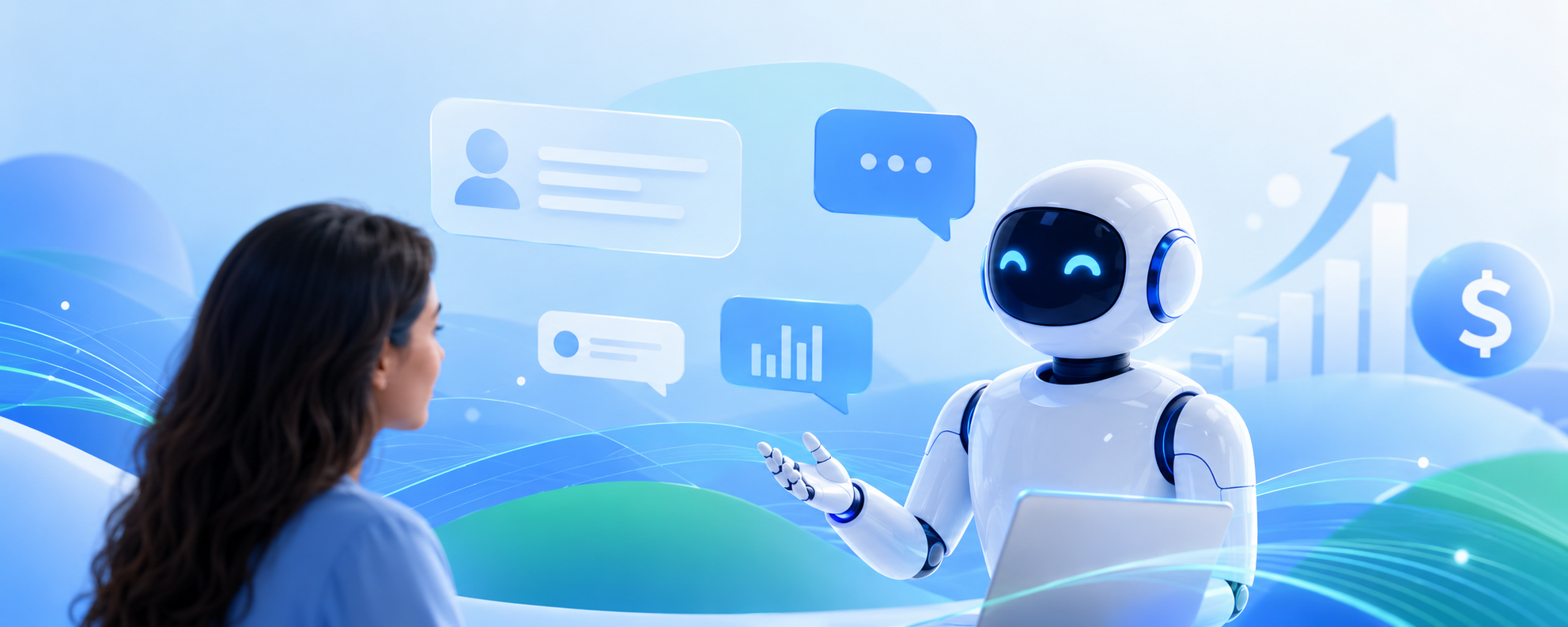
One of the most widespread applications of AI is improving customer experience. Companies are using AI-powered chatbots, virtual assistants, and recommendation engines to interact with customers 24/7. For example, e-commerce giants like Amazon leverage AI algorithms to suggest products based on browsing and purchase history, significantly increasing conversion rates. Similarly, banks are deploying AI chatbots to answer customer queries instantly, reducing wait times and improving satisfaction.
AI also enables sentiment analysis, which helps businesses understand how customers feel about their products or services. By analyzing social media posts, reviews, and surveys, companies can make data-driven decisions to enhance their offerings and address issues proactively.
2. Automating Repetitive Tasks
Automation is one of the most impactful ways AI is being used in the corporate world. Robotic Process Automation (RPA) powered by AI can handle repetitive tasks such as data entry, invoice processing, and compliance checks. This not only reduces human error but also frees up employees to focus on higher-value tasks. For instance, insurance companies use AI to automate claims processing, speeding up approvals and enhancing customer satisfaction.
3. Predictive Analytics for Smarter Decisions
AI-driven predictive analytics allows businesses to anticipate trends, optimize operations, and make smarter decisions. Retailers use AI to forecast inventory demands, minimizing overstock or stockouts. Similarly, in healthcare, predictive models can identify patients at risk of certain conditions, enabling early interventions. Financial institutions rely on AI to predict market trends and assess credit risk more accurately, reducing potential losses.
4. Enhancing Marketing and Personalization
Marketing strategies have been revolutionized by AI. Businesses now use AI algorithms to segment audiences, target ads, and personalize campaigns in real time. Streaming platforms like Netflix and Spotify use AI to curate content tailored to individual preferences, increasing engagement and retention. AI also helps marketers analyze campaign performance, optimize ad spend, and identify new growth opportunities.
5. AI in Supply Chain and Logistics
Supply chain and logistics operations are becoming smarter with AI. Companies are using AI to predict demand, optimize routes, and manage inventory efficiently. AI-powered drones and autonomous vehicles are being deployed for last-mile delivery, reducing costs and delivery times. Additionally, AI algorithms can detect disruptions in the supply chain and recommend alternative strategies, ensuring smooth operations even during crises.
6. AI in Human Resources and Recruitment
Human Resources (HR) departments are increasingly using AI to streamline recruitment and talent management. AI tools can screen resumes, schedule interviews, and even analyze candidate responses for cultural fit. This not only saves time but also improves the quality of hiring decisions. Moreover, AI-driven analytics can monitor employee engagement, performance, and retention patterns, helping organizations create a more productive workforce.
7. Fraud Detection and Security
AI has become critical for fraud detection and cybersecurity. Banks and financial institutions deploy AI algorithms to monitor transactions in real time, identifying unusual patterns that may indicate fraud. Similarly, companies use AI to detect cybersecurity threats, such as malware or phishing attempts, before they can cause significant damage. This proactive approach enhances security and builds customer trust.
8. AI in Product Development and Innovation
AI is also shaping product development and innovation. By analyzing market trends and customer feedback, AI can guide companies in designing products that better meet consumer needs. For instance, automotive companies are using AI to design safer, more efficient vehicles, while tech companies use AI to develop smarter software and applications.
9. Healthcare and Medical Advancements
Healthcare is one of the most impactful sectors for AI. AI-powered diagnostic tools can analyze medical images, detect anomalies, and even predict disease progression. Personalized medicine, driven by AI, allows doctors to tailor treatments based on genetic profiles and patient history. Additionally, AI helps in drug discovery by simulating molecular interactions, speeding up research and reducing costs.
Conclusion
Artificial Intelligence is no longer optional for companies—it’s a strategic necessity. By leveraging AI, businesses can enhance customer experiences, streamline operations, make smarter decisions, and drive innovation. Whether it’s through automation, predictive analytics, personalized marketing, or improved security, AI is transforming the way companies operate and compete in today’s digital landscape. Embracing AI not only provides a competitive edge but also opens the door to limitless opportunities for growth and efficiency.