For years, Yann LeCun—one of the “godfathers of AI”—has been the industry’s most prominent disbeliever of the very technology that made it famous. While the world was amazed at ChatGPT and Gemini, LeCun quietly insisted that Large Language Models (LLMs) were a “dead end” for true intelligence.
In March 2026, that uncertainty turned into a billion-dollar conviction. Advanced Machine Intelligence (AMI) Labs, co-founded by LeCun after his departure from Meta, officially announced a $1.03 billion seed round—the largest in European history. The mission? To abandon “next-token prediction” in favor of World Models.
The $1 Billion Bet: Why Investors Flocked to AMI
The scale of this seed round is exceptional. Valuing a four-month-old startup with no public product at $3.5 billion would usually signal a bubble, but the syndicate of backers suggests otherwise.
The Investor Lineup:
- Lead Investors: Cathay Innovation, Greycroft, Hiro Capital, HV Capital, and Bezos Expeditions.
- Strategic Backers: NVIDIA, Samsung, Toyota Ventures, and Temasek.
- Individual Icons: Jeff Bezos, Mark Cuban, and Eric Schmidt.
Why the frenzy? Because the industry is hitting the “data wall.” Training LLMs on the entire internet’s text has resulted in diminishing returns. To reach the next level of autonomy, AI needs to understand physics, cause-and-effect, and 3D space.
What is a “World Model” (And Why Does It Matter)?
If an LLM is “book smart,” a World Model is “street smart.”
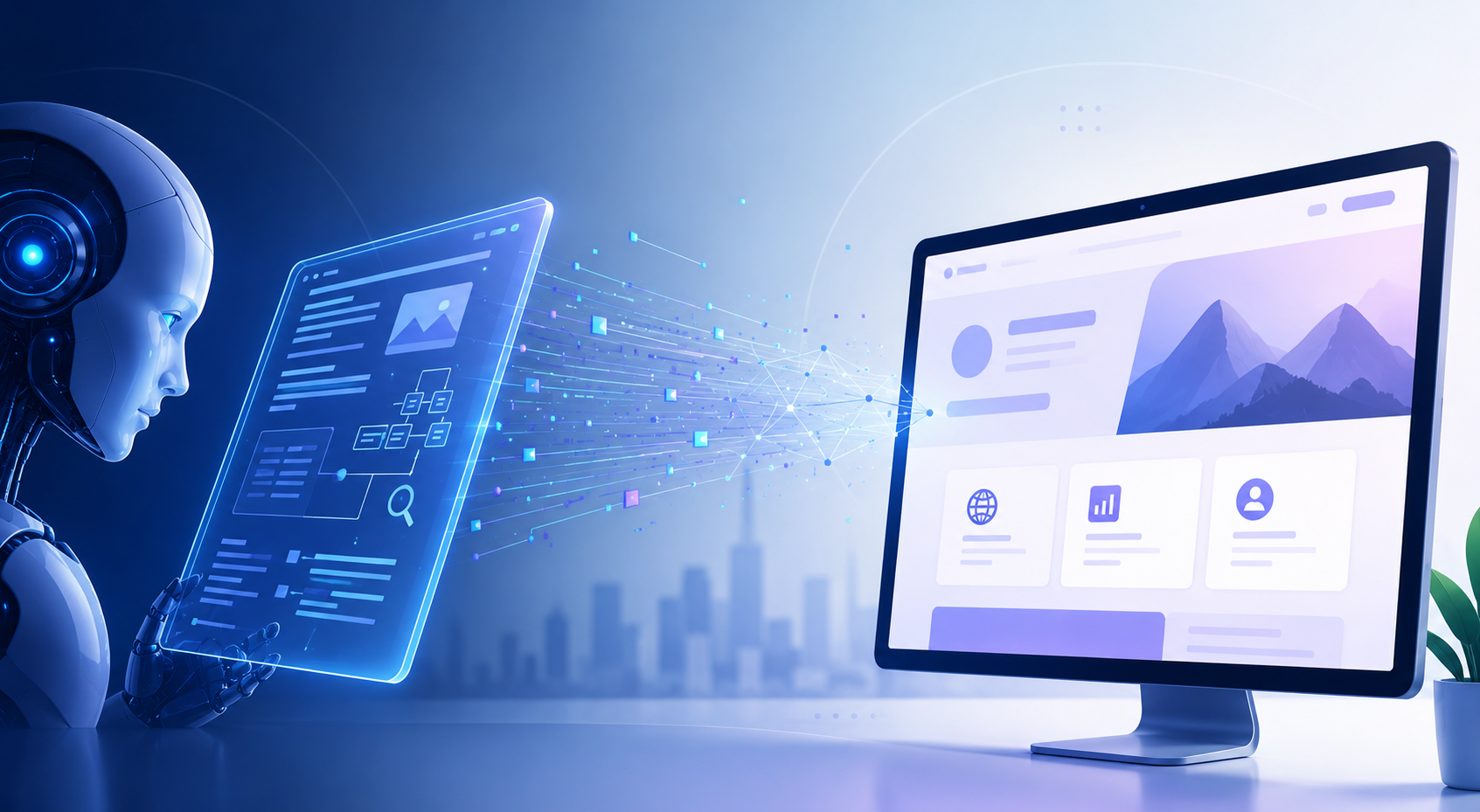
Current AI predicts the next word in a sentence. A World Model, based on LeCun’s Joint Embedding Predictive Architecture (JEPA), predicts the next state of the physical world.
The Difference in Action:
Imagine a robot trying to pour water into a glass.
- The LLM approach: It knows the words for “pour” and “water,” but if the glass moves an inch, the robot might continue pouring onto the table because it lacks a mental map of gravity and fluid dynamics.
- The World Model approach: The AI understands the area-based relationship between the pitcher and the glass. It can “imagine” the consequence of tilting the pitcher before it even moves a muscle.
“Language is a by-product of intelligence, not the source. A cat has more common sense about the physical world than any LLM today. We are building that common sense.” — Yann LeCun, AMI Executive Chairman
2026 Real-Time Data: The Shift in AI Architecture
The market is already voting with its capital. In the first quarter of 2026, we’ve seen a massive pivot away from pure generative text toward “Physical AI.”
| Metric |
2024 (LLM Peak) |
2026 (World Model Rise) |
| Total Funding for “World Model” Startups |
~$400M |
$2.2B+ (Q1 alone) |
| Accuracy in Physical Reasoning Tasks |
42% |
89% (AMI Internal Benchmarks) |
| Key Use Cases |
Coding & Creative Writing |
Robotics, Manufacturing, Wearables |
| Leading Hub |
Silicon Valley |
Paris / Singapore / New York |
The “AMI” Ecosystem: Beyond the Laboratory
Led by CEO Alexandre LeBrun (formerly of Meta and Nabla), AMI Labs isn’t just a research house. It is building an industrial-grade AI stack.
- AMI Video: A foundational model that doesn’t just “generate” video, but simulates it with perfect physical consistency.
- Nabla Partnership: AMI’s first strategic partner is the clinical AI leader Nabla. This will bring world-model reasoning to high-stakes healthcare environments where “hallucinations” aren’t just annoying—they’re dangerous.
- The “Digital Twin” Revolution: AMI plans to use world models to create 4D simulations of factories and hospitals, allowing companies to “test-run” a year of operations in minutes.
Humanizing the Tech: The End of “Hallucination”
For the average user, the rise of world models means the end of AI “confabulation.” Because these models are grounded in the laws of physics and persistent memory, they don’t make things up. They don’t think a cup can pass through a table because they understand what a table is.
This reliability is the “missing link” for:
- Level 5 Autonomous Driving: Predicting pedestrian behavior with common sense.
- Household Robotics: Robots that can navigate a messy kitchen they’ve never seen before.
- Advanced AR: Smart glasses (like the Ray-Ban Meta successor) that actually understand the 3D objects you are looking at.
The Verdict
The AMI Labs seed round marks the official beginning of the Post-LLM Era. While Silicon Valley continues to scale existing models, Paris-based AMI is rewriting the blueprint. By focusing on how the world works rather than how humans talk, LeCun and his team are attempting to build the first machines that actually maintain “common sense.”