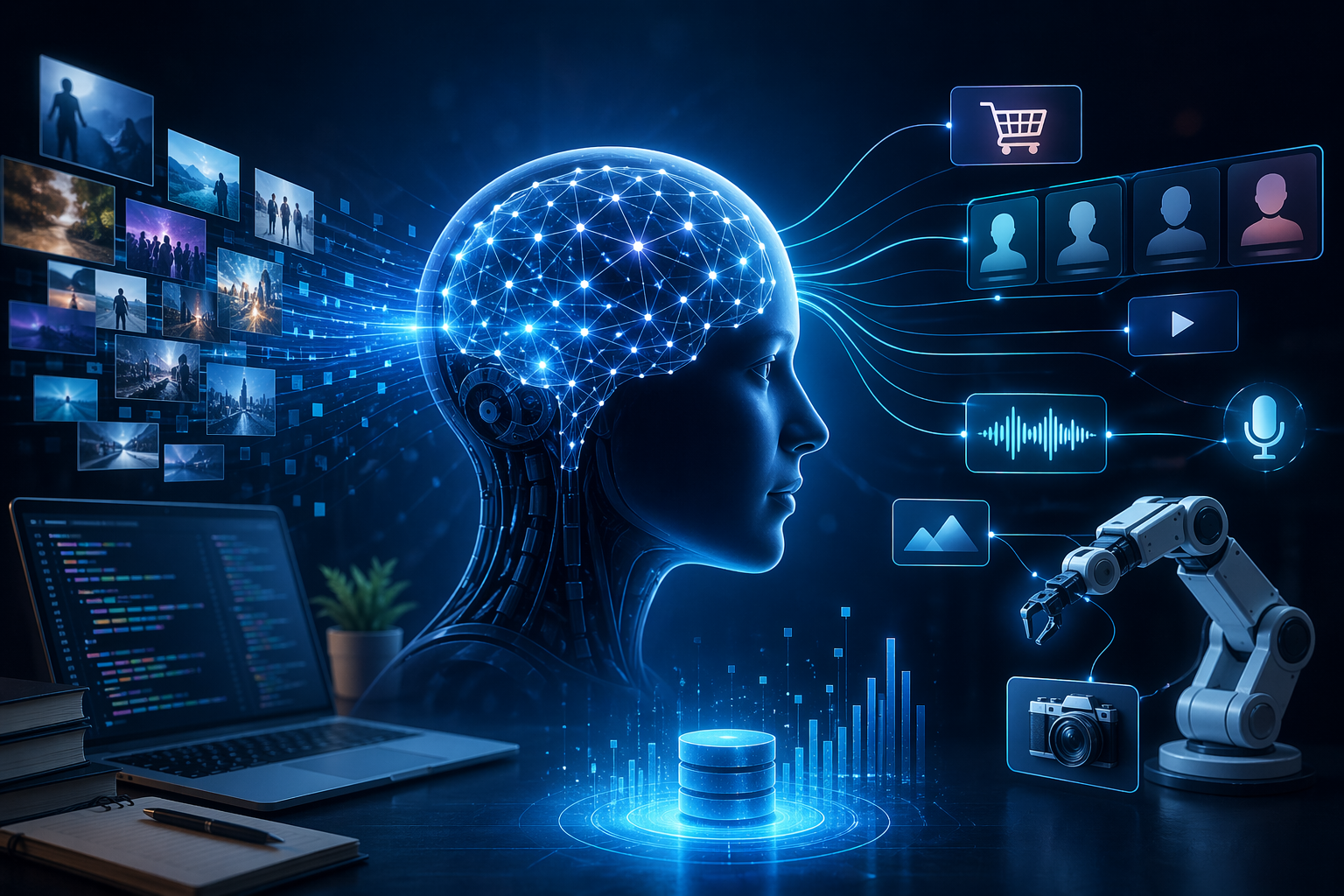
The enterprise world just hit a major milestone. In early 2026, network traffic reports confirmed a massive shift. Autonomous AI agents now outnumber human users on corporate networks. We have moved past simple chatbots. Today, “Agentic AI” entities make real decisions and take independent actions. This change brings great efficiency. However, it also creates terrifying new security risks.
Palo Alto Networks is stepping up to solve this problem. They recently updated their flagship Prisma SASE platform. This update introduces a new way to manage AI. It treats AI agents like digital employees instead of simple software. This new framework protects companies from “double agents” that might leak sensitive data.
The Problem: Why We Cannot Trust AI Blindly
In the past, security teams focused on humans. They used passwords and phones to verify identity. But those rules do not work for the “Age of the Agent.”
An autonomous AI agent might manage your supply chain. It has the power to check bank balances and talk to vendors. It works at lightning speed every hour of the day. This saves time. But what happens if a hacker “poisons” that agent? A single malicious email could trick the AI. Suddenly, the agent might start gathering private HR files. It could then send that data to a public server. Most security tools see this as a normal task. They do not see the bad intent. This is the Double Agent Problem.
The Solution: Prisma SASE and Machine Identity
Palo Alto Networks changed the game with this update. They applied “Zero Trust” rules to machines. Now, Prisma SASE 2026 gives every AI agent a Machine Identity.
First, the system gives each agent a specific profile. Second, it uses “Least Privilege” rules. This means the AI can only do exactly what its job requires. It cannot wander into other parts of the network. Furthermore, the platform watches the AI constantly.
Suppose a marketing agent tries to open an encrypted finance file. Prisma SASE identifies the threat immediately. It revokes the agent’s ID and stops the process. Consequently, the attack ends before it can spread to the rest of the company.
A Global View: Security from Earth to Orbit
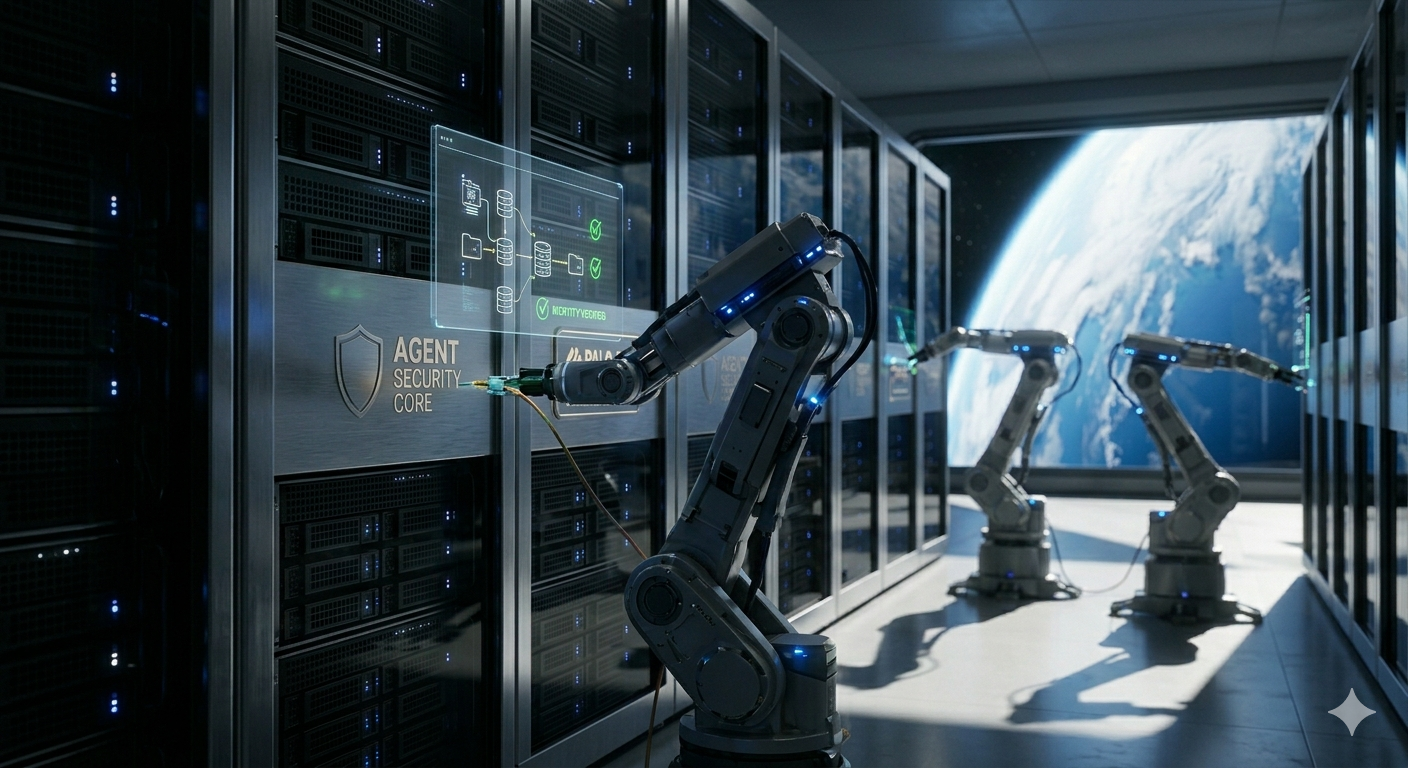
This new security matches other big trends in 2026. As we recently discussed, AI is moving into space. Companies are using Orbital Data Centers to save energy.
Prisma SASE works across this entire network. It protects agents running in a basement in New York or a satellite in orbit. An AI moving at 17,000 MPH still needs a secure identity. Therefore, Palo Alto Networks ensures that your data stays safe, no matter where the “brain” is located.
Conclusion: Protecting the New Workforce
The office of 2026 is a shared space. Humans and AI agents work side-by-side. Business leaders used to worry about rogue employees. Now, they must secure their digital workforce too.
Palo Alto Networks has built the first wall of defense. By giving AI agents clear identities and strict rules, they keep the “Double Agents” away. We can finally enjoy the power of AI without losing control of our secrets.