




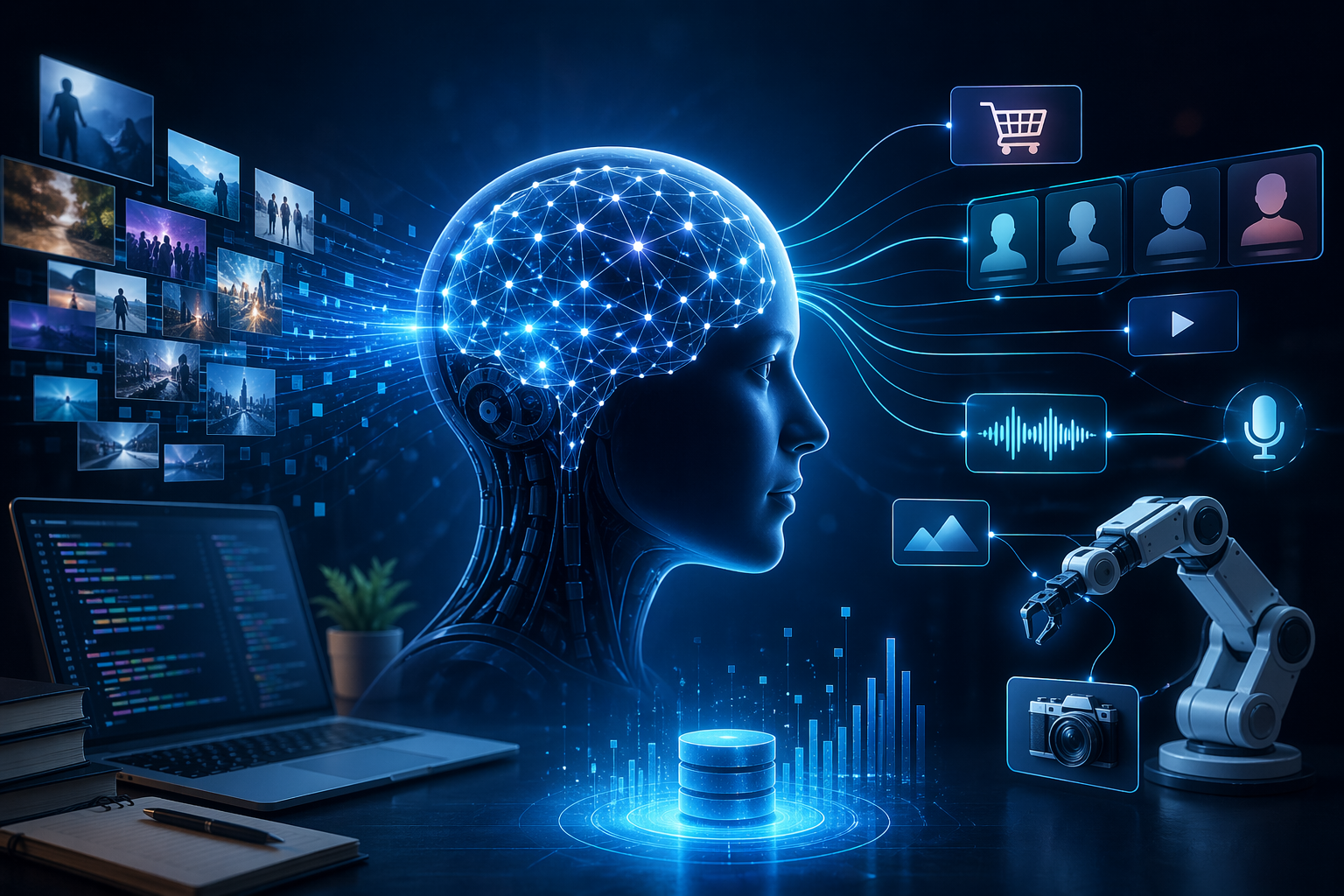










For the past few years, the public relationship with artificial intelligence has been strictly transactional. You write a prompt, a large language model (LLM) spits out text, and you manually copy, paste, edit, or execute the next step. It is a highly manual, reactive paradigm. If you want a comprehensive marketing report, you have to prompt the AI for an outline, prompt it again for the data, rewrite the awkward phrasing yourself, and manually upload it to your content management system.
But the era of simply prompting a basic chatbot for a text response is officially fading. Welcome to the ultimate Agentic AI multi agent systems guide, where we break down how autonomous digital workers are rewriting the rules of modern productivity.
The industry is undergoing a massive structural shift toward systems engineered to reason, plan multi-step workflows, interact with external software tools, and execute complex, long-running projects with minimal human intervention. Instead of relying on a single all-knowing chatbot, forward-thinking organizations are deploying coordinated networks of specialized digital workers.
Moving Beyond Simple Prompts to Intent-Driven Execution
To understand the scope of this evolution, this Agentic AI multi agent systems guide must look at how the fundamental mechanics of human-AI interaction have changed.
Traditional Generative AI operates within a tight loop: Input $\rightarrow$ Process $\rightarrow$ Output. The user shoulders the cognitive load of breaking a massive goal down into bite-sized prompts. If a model encounters a dead end—such as a broken URL or a missing piece of data—it simply hallucinates or stops, requiring the human to troubleshoot and re-prompt.
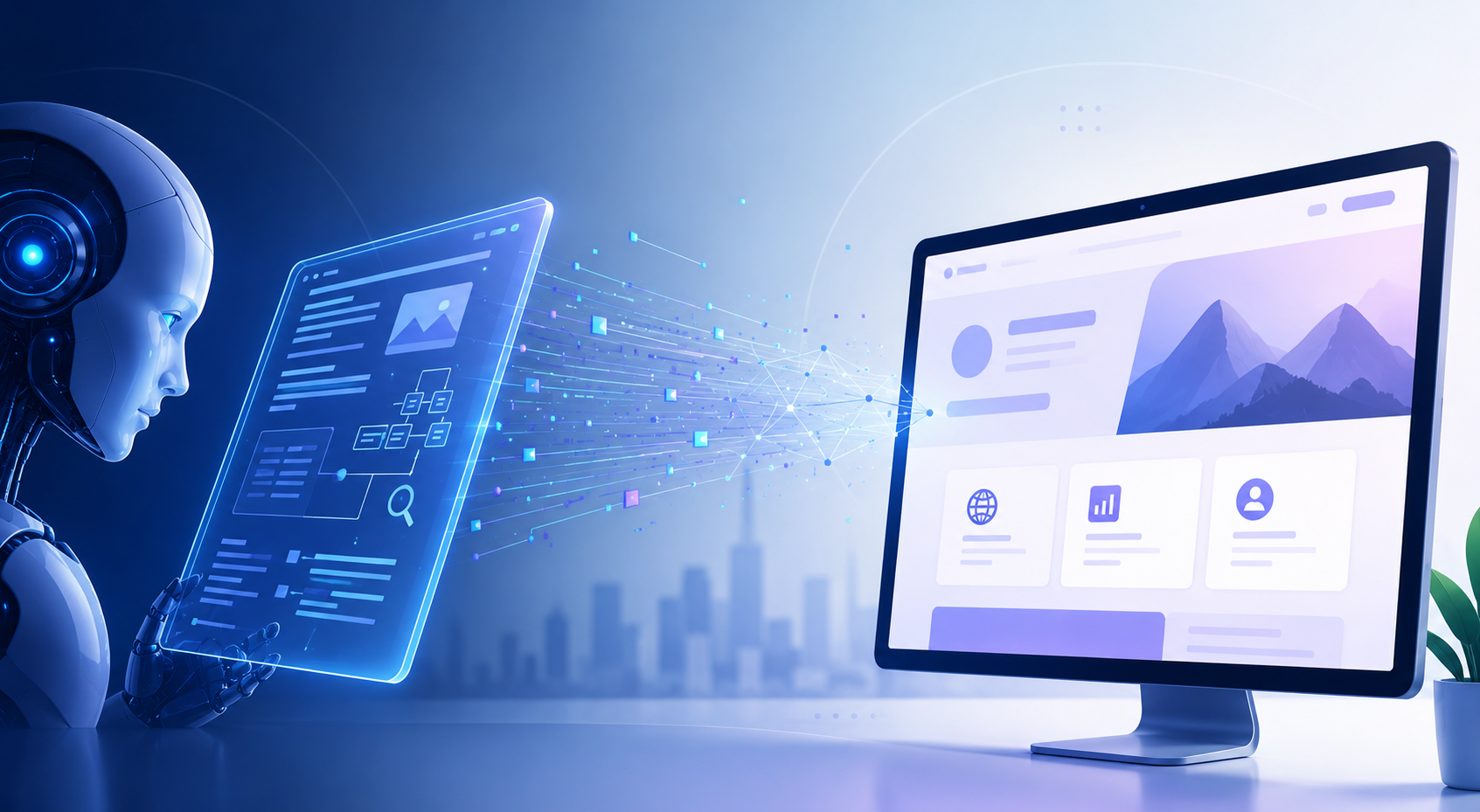
An Agentic AI multi agent systems guide highlights how autonomous workflows flip this script by introducing intent-driven execution. When given a high-level objective, an agentic system doesn’t just generate text; it initiates an iterative loop of perception, planning, reasoning, and independent execution.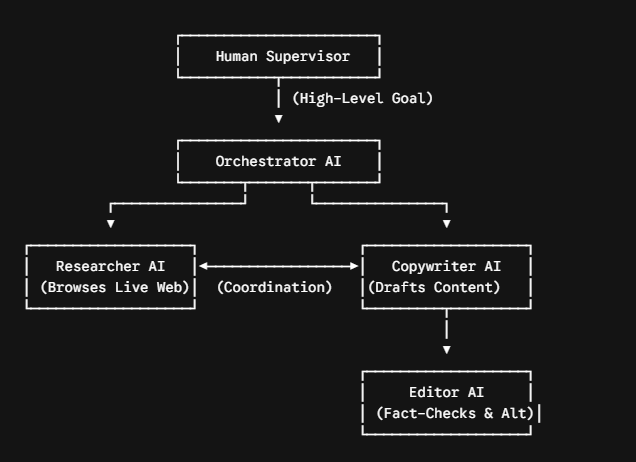
Equipped with persistent memory systems and advanced tool-calling protocols—such as Anthropic’s open-source Model Context Protocol—modern agents can browse the live web, access enterprise databases, issue terminal commands, and use standard APIs. If an agent hits a wall, it self-corrects, refines its internal plan, and continues working toward the objective.
Core Architecture: The Agentic AI Multi Agent Systems Guide to Collaboration
While a single autonomous agent is powerful, it is inherently constrained by its context window and processing style. If a single agent tries to research, write, audit, code, and format an enterprise-grade asset simultaneously, the performance degrades under the weight of the massive, conflicting instructions—a phenomenon known as “context rot.”
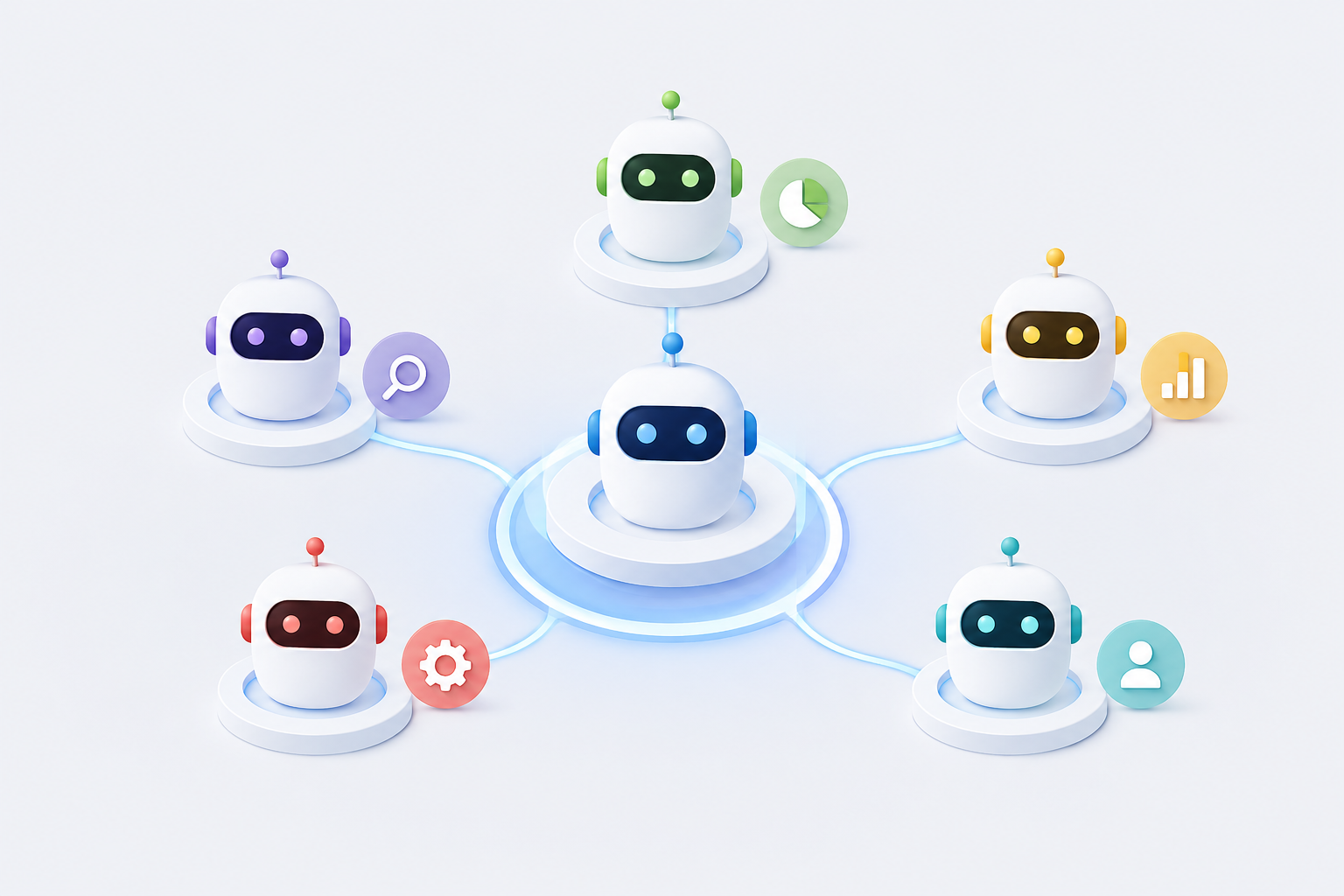
As any comprehensive Agentic AI multi agent systems guide will note, the solution lies in decentralized collaboration. Rather than forcing one model to do everything, multi-agent frameworks distribute complex projects across a decentralized network of highly specialized digital entities. Each agent is given a specific role, a unique persona, a dedicated set of tools, and an isolated context window.
Consider how a modern, multi-agent editorial and marketing pod operates autonomously to launch a corporate campaign:
1. The Orchestrator Agent
The system begins with a coordinator or “manager” agent. It takes the human’s broad goal (“Launch an optimized landing page for our new software”), breaks it down into structured tasks, and assigns those sub-tasks to the appropriate specialist agents.
2. The Researcher Agent
This agent is equipped with live web scraping tools, vector database access (RAG), and data analytics tools. Its sole purpose is to gather high-signal market data, cross-reference statistics, identify competitor positioning, and deliver a clean, structured data file to the team.
3. The Copywriter Agent
Using the clean data provided by the Researcher, the Copywriter agent crafts targeted, persuasive copy tailored precisely to the project’s target demographics. It doesn’t worry about fact-checking or code formatting; its single focus is narrative quality and behavioral psychology.
4. The Editor and Compliance Agent
The drafted copy is automatically passed to a strict Editor agent. This agent cross-examines the copy against corporate style guides, legal compliance rules, and the initial researcher data. If it detects a factual error or a branding violation, it sends the text back to the copywriter with precise, structured notes for revision.
This entire multi-agent loop executes in parallel within a matter of minutes. The human doesn’t sit in the middle managing the data transfer; the human stands at the perimeter, providing strategic oversight, review, and final approval.
Real-World Enterprise Applications of Agentic Workflows
The deployment of these ecosystems is no longer theoretical. Organizations are leveraging open-source multi-agent orchestration frameworks like CrewAI and Microsoft’s AutoGen to replace legacy, rigid software workflows with flexible, self-healing automation.
The Software Development Lifecycle (SDLC)
The impacts of agentic systems are reconfiguring the software engineering landscape. Instead of standard autocomplete code extensions, developers are deploying “Agentic SDLC” pipelines.
When a bug report is filed on GitHub, a specialized triage agent can automatically parse the issue, spin up an isolated container environment, locate the offending code, write a patch, run a comprehensive suite of unit tests, check for security vulnerabilities, and open a pull request for a human developer to review. According to industry data, early engineering teams using agentic coding tools have seen immediate 30% increases in deployment velocity while drastically cutting down on technical debt.
Next-Gen Hyper-Automated Customer Support
First-generation customer support chatbots were frustratingly brittle, operating entirely on pre-set, conditional logic trees. If a customer’s issue deviated by a single syllable from the script, the chatbot broke.
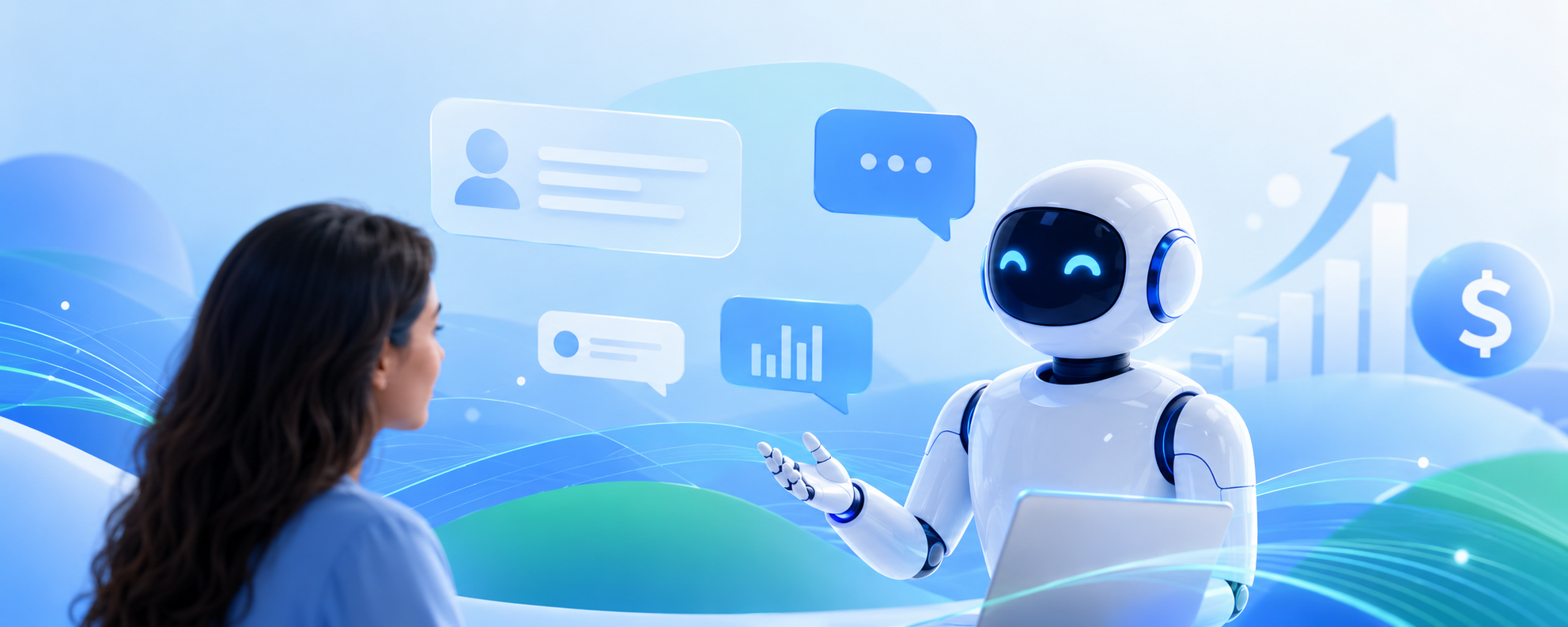
An advanced Agentic AI multi agent systems guide to customer care reveals a much more fluid reality. Modern customer support systems act like autonomous concierges. They are granted secure access to back-office enterprise systems, allowing them to look up shipping tracking numbers, evaluate refund risk profiles using internal financial policies, process instant credit card reversals, and coordinate with logistics APIs to route replacement items—all handled entirely autonomously while maintaining an empathetic, context-aware dialogue with the user.
Beyond the Chatbox: Maximizing Your Digital Workforce
As we look toward the horizon, the focus of AI development has definitively shifted away from training larger, more expensive general-purpose language models and toward mastering the orchestrations, communication protocols, and guardrails required to run multi-agent ecosystems at scale.
The true value of this revolution lies in its scalability. By delegating iterative, multi-step execution to teams of coordinated AI specialists, humans are freed from the minutiae of data plumbing, administrative triage, and repetitive workflows. The future of productivity isn’t about learning how to write the perfect, complex prompt; it’s about learning how to manage, guide, and orchestrate an autonomous digital workforce.
We hope this Agentic AI multi agent systems guide provides the foundational clarity you need to start implementing autonomous workflows in your own technological stack today.